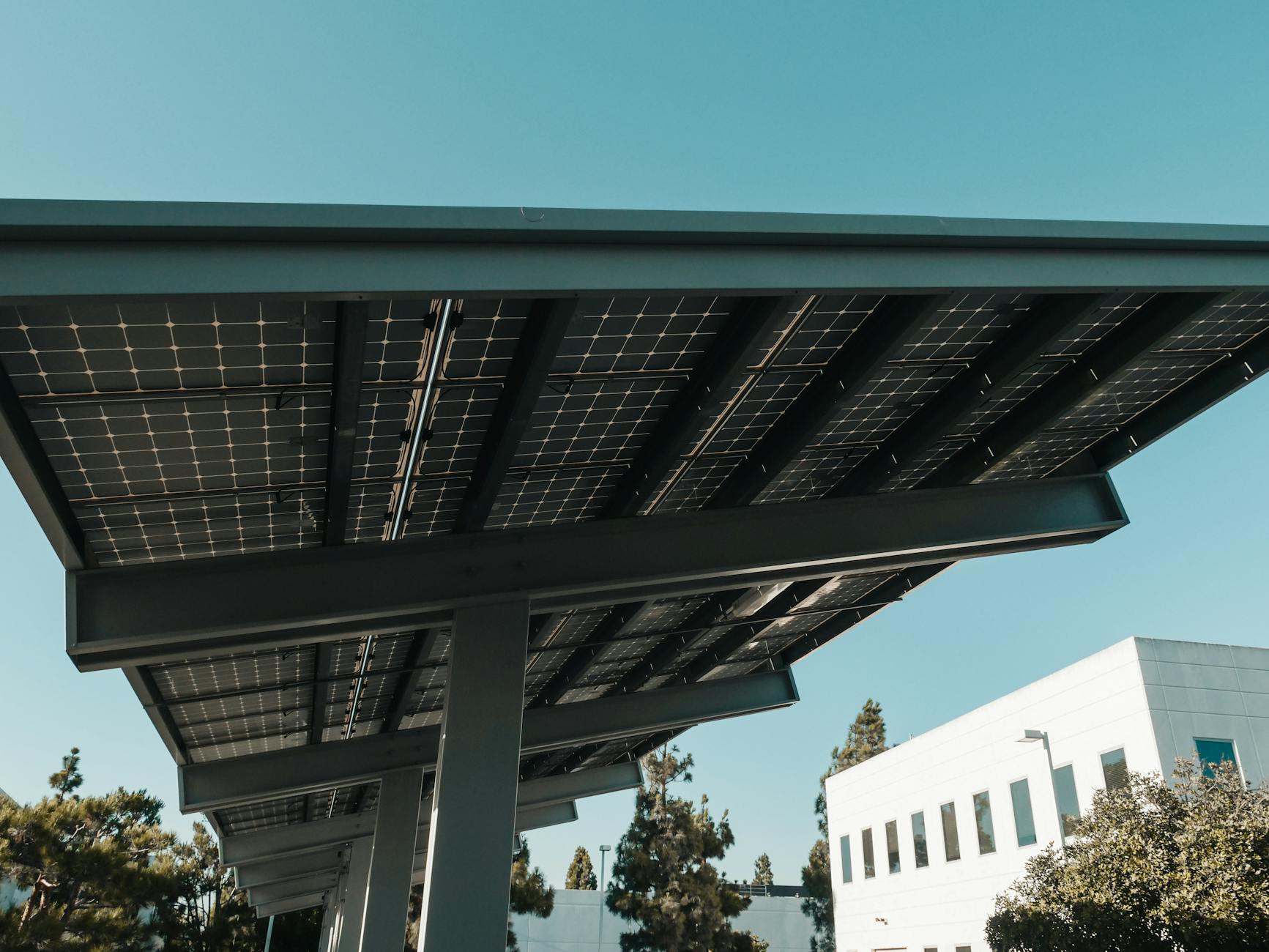
How to Transform Your Business in the United States with Solar Integration

Evaluating Solar Potential
Assessing Location and Infrastructure
As a sustainability advocate hailing from Seattle, determining the feasibility of solar power installation requires a thorough examination of the location and existing infrastructure. Just as the Seattle Space Needle demonstrates its commitment to sustainable energy through various initiatives, we too must consider key factors like sunlight exposure and roof orientation. Identifying the right elements in the infrastructure helps in deciphering the cost of solar panel installation and ensuring the project’s success.
Understanding Energy Demand
Understanding the energy demand of your facilities stands as the next critical step. Much like how the Bullitt Center leverages green building technologies to optimize energy use, we need to examine peak and off-peak hours to structure energy needs efficiently. This can guide decisions regarding commercial solar panel installation, aligning production capacity with consumption demands.
Analyzing Technological Compatibility
Diving into the technological compatibility with existing systems can significantly impact operational outcomes. Just as the University of Washington integrates renewable projects seamlessly with its robust technologies, this step ensures that new solar solutions will work harmoniously with what's already in place. With this approach, you can estimate the average price to install solar panels while avoiding costly retrofitting down the line. Each facet of this evaluation is integral in ensuring that our shift to renewable energy is both ecologically and economically sound.
Strategic Planning for Integration
Setting Clear Goals and Timelines
Establishing a robust timeline and setting precise objectives are crucial steps in any commercial solar installation. It’s not just about knowing how much to install solar panels might cost but strategically planning each phase of the project to optimize resources and ensure alignment with your business goals. This approach mirrors the integrated green technologies utilised at the Bullitt Center in Seattle, known for its innovative sustainability measures.
Start by conducting a thorough cost analysis to understand the overall cost to install solar panels. This informs the allocation of budgets effectively and ensures that all financial decisions support your overarching mission to transition to renewable energy. After solidifying the budget, define clear milestones that align with both short and long-term goals. These milestones are essential in maintaining momentum and providing measurable progress markers.
Set up regular checkpoints to review advancements and make necessary adjustments. This helps in keeping the project on track and accommodating any emerging technologies or methods that could be beneficial.
Ensure that these goals and timelines are communicated effectively to all team members and stakeholders. This transparency builds trust and facilitates smooth integration of solar solutions with your existing technological infrastructure. With a strategic focus and dedication, you'll not only manage the practical aspects of the installation but also inspire a commitment to sustainable practices throughout your organization.
Seamless Technology Integration
Choosing the Right Solar Systems
Selecting an appropriate solar system involves more than simply solar panel installation. For a senior-level tech professional like Marcus, particularly one focused on integrating technology and sustainability, understanding the specifics of solar systems is paramount. Various systems offer different efficiencies and cost-effectiveness. Factors like energy yield, space constraints, and environmental conditions should be considered when deciding which systems fit best. The sustainable energy initiatives linked to the Seattle Space Needle demonstrate how location-specific solutions can excel in maximizing energy generation.
Integrating with Existing Technologies
Integrating solar technology with existing infrastructure isn't just about adding solar panels; it's about ensuring compatibility with current systems and optimizing the full spectrum of energy sources. Synchronizing solar technology with a company's data centers requires careful planning to avoid disrupting operational processes. This ensures that any solar installation works harmoniously with existing technology — from HVAC systems to server racks — thereby maximizing efficiency and maintaining balance.
Ensuring Scalable Solutions
Considering the scalability of solar systems is crucial for expanding future capacity without extensive overhauls. This involves evaluating systems that can grow in tandem with the energy demands as the business expands. By opting for scalable solutions, Marcus can put into action a strategy that accommodates short-term needs while planning for long-term growth, similar to the innovative projects seen at the University of Washington. This ensures that his company remains adaptable and prepared for technological advancements down the line.
Measuring Impact and ROI
Monitoring Performance Metrics
For senior-level tech professionals like Marcus Roland, monitoring performance metrics is crucial in evaluating the success of solar installations. Understanding metrics such as energy output, efficiency, and system reliability can provide analytical insights into how well the system is performing. It's essential to compare these metrics against the benchmarks set prior to installation. Advanced monitoring software can offer real-time data that aligns with both sustainability goals and technical expectations.
Analyzing Financial Benefits
When analyzing financial benefits, it's vital to weigh the initial cost of solar installation against long-term savings. Metrics such as payback period, net present value, and return on investment (ROI) must be meticulously calculated to determine financial viability. The goal is to ensure the investment not only recovers the costs but also contributes positively to the company’s bottom line. This comprehensive approach is akin to the financial assessments Marcus performs at tech industry conferences and in peer-reviewed journals.
Reporting to Stakeholders
Reporting to stakeholders requires a balance of technical detail and strategic insights. Crafting reports with clear, concise data visualizations can effectively communicate the impact and ROI of solar projects. Regular updates and transparency are key in nurturing stakeholder confidence and support. By aligning the results with broader sustainability initiatives, such as those at the University of Washington, you can highlight the strategic alignment and long-term benefits, ensuring all parties feel committed to best solar installation companies and sustainable practices.
Best Practices
Harnessing Expert Consultations
In the ever-evolving landscape of solar energy, green energy tax credits offer significant financial incentives, making expert consultations an indispensable asset. Engaging with professionals who understand the complexities of renewable energy can help us replicate sustainable marvels akin to the Bullitt Center's innovative technologies. Experts provide a granular analysis of site-specific conditions, ensuring the alignment of objectives with practical outcomes. Thorough consultations are pivotal for capturing the potential of residential solar panels, especially for those exploring cutting-edge energy solutions in Seattle's distinctive environment.
Embracing Continuous Adaptation
The renewable energy sector requires continual learning and adaptation. By remaining nimble and open to change, we can leverage the latest advancements, similar to the University of Washington's renewable projects that consistently push the boundaries of innovation. This proactive approach not only aids in maintaining efficiency but also aligns businesses with sustainability goals, responding adeptly to emerging trends like the integration of alternative energy sources.
Pitfalls to Sidestep
Avoiding common pitfalls is crucial for achieving long-term solar success. Oversights in project estimations or technology mismatches can lead to setbacks. We must prioritize pain points in projects, ensuring solutions consider both immediate and future demands. Drawing parallels with the Seattle Space Needle's sustainable initiatives, thorough planning can prevent issues often faced in solar projects, like inadequate forecasting of energy needs or overlooking technical incompatibilities. Ultimately, by harnessing Seattle's rich history of sustainable innovation as a blueprint, we can create a resilient and dynamic approach to solar energy integration.